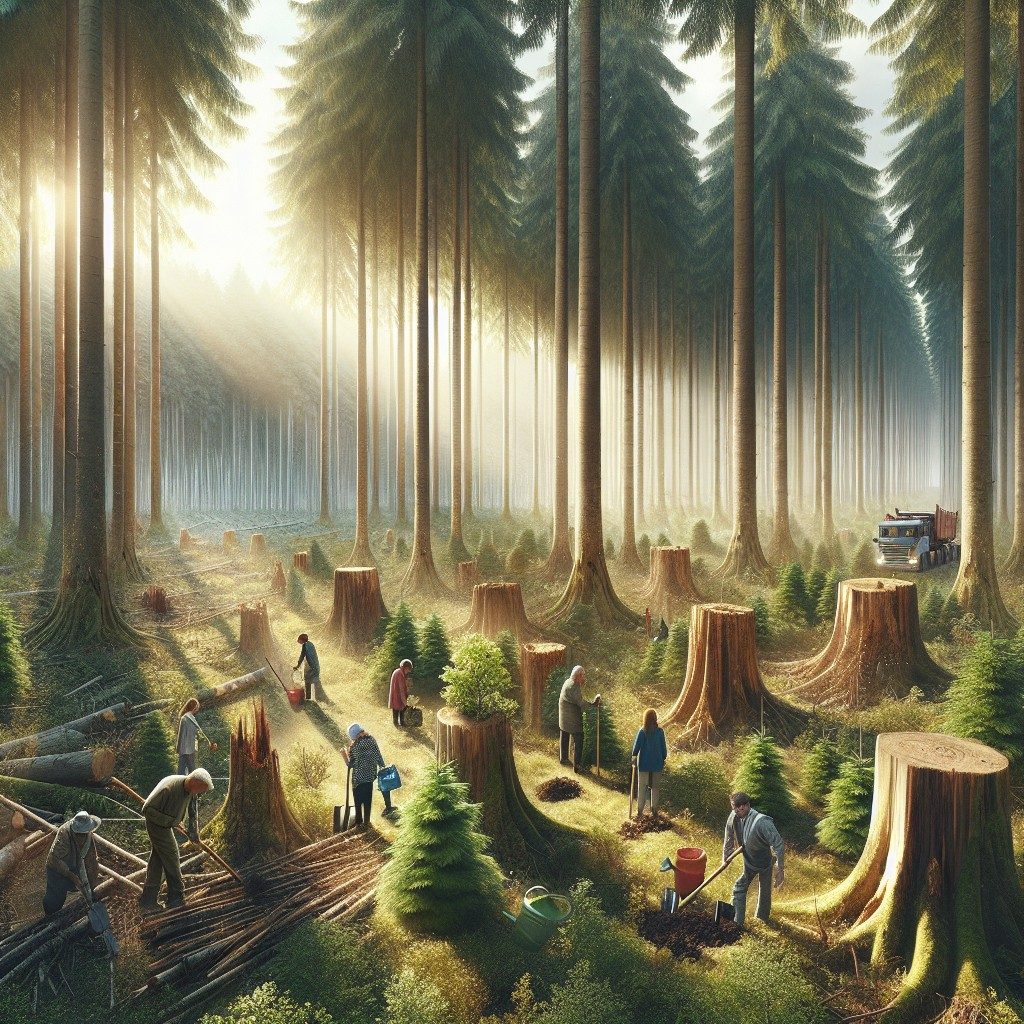
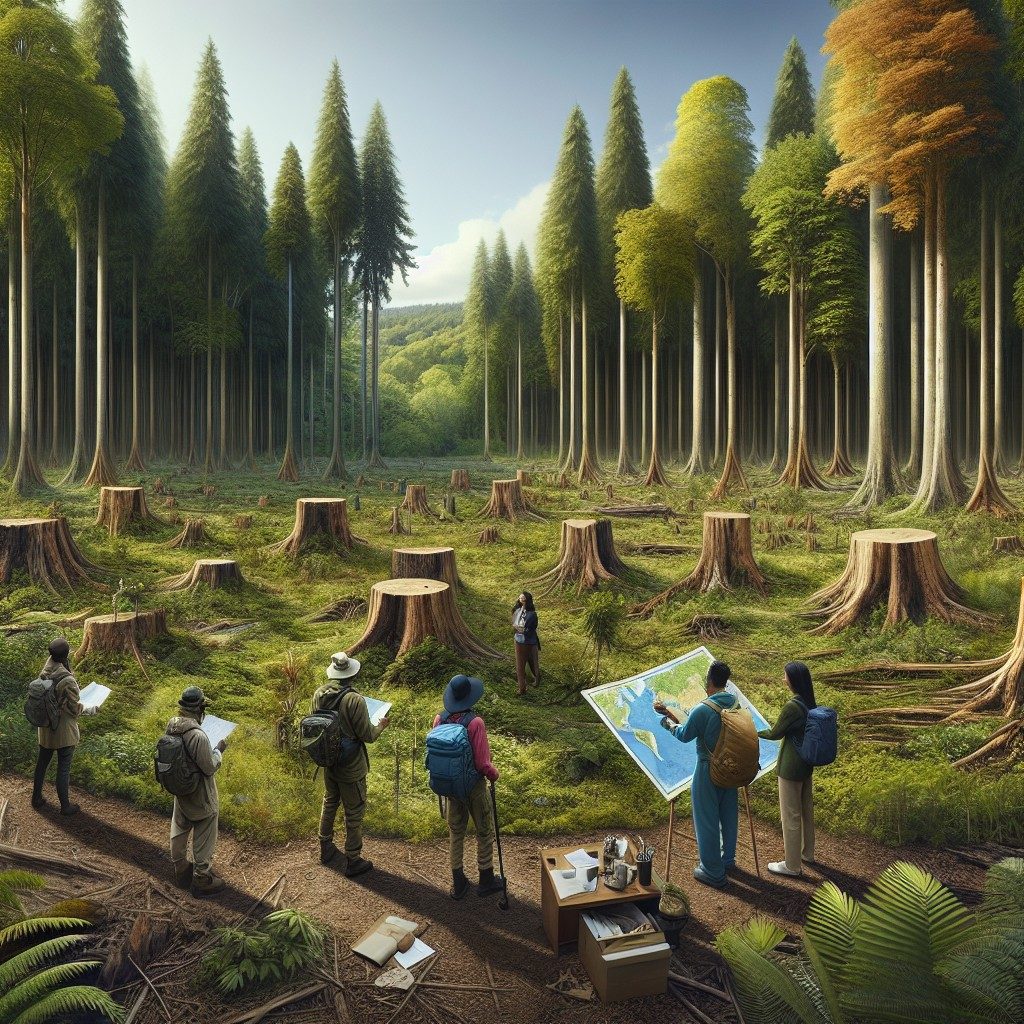
Deforestation in Romania has been an escalating environmental concern with significant impacts on biodiversity, climate, and rural livelihoods. While awareness campaigns have highlighted the severity of the issue, the effectiveness of solutions beyond raising public attention demands thorough examination.
Current State of Deforestation in Romania
Romania’s forests cover approximately 27% of its territory, representing a critical natural resource for the country and Europe as a whole. However, illegal logging and unsustainable forestry practices have contributed to a measurable increase in deforestation rates in recent years. The Carpathian Mountains and other forested regions have been particularly affected, leading to habitat loss and increased soil erosion. Official statistics reveal that forest loss in Romania is among the highest in the European Union, prompting both national and international scrutiny.
Limitations of Awareness Campaigns
Public education and awareness campaigns have played a vital role in informing citizens about the risks associated with deforestation. However, these initiatives, while necessary, have shown limitations in halting the ongoing degradation. Awareness alone does not alter complex socio-economic drivers such as illegal timber trade, weak enforcement of forestry laws, and lack of viable economic alternatives for local communities. Consequently, solutions must address structural issues beyond merely educating the public.
Strengthening Legal Frameworks and Enforcement
One of the primary solutions with demonstrated potential lies in reforming forest governance. Strengthening the legal framework to clearly define sustainable logging limits and enforcing these regulations consistently can drastically reduce illegal activities. Recent efforts by Romanian authorities to increase surveillance and impose penalties have yielded some success, but challenges remain due to insufficient resources and corruption. International cooperation and monitoring can augment national capacities to protect forests effectively.
Promoting Sustainable Forestry Practices
Transitioning to sustainable forestry management offers a practical alternative to reduce deforestation pressures. This includes certification schemes that promote responsible harvesting and reforestation obligations. Encouraging timber companies to adopt such practices not only conserves forest ecosystems but also maintains economic viability. Government incentives and technical assistance can support forest owners in implementing sustainable methods, ensuring the long-term health of Romania’s woodlands.
Community Engagement and Economic Alternatives
Engaging local communities in forest conservation efforts has proved beneficial in other regions and shows promise in Romania. By providing economic alternatives such as eco-tourism, agroforestry, and non-timber forest products, communities can reduce their dependence on logging activities that contribute to deforestation. Empowering residents through education and financial support enables stewardship and fosters sustainable development aligned with environmental goals.
Technological Innovations and Monitoring
The adoption of modern technologies like satellite imagery, drones, and geographic information systems enhances the capability to monitor forest cover in near real-time. This contributes to quicker detection of illegal logging and more transparent reporting processes. Integrating technological solutions complements law enforcement and community efforts, creating a multi-layered approach to combat deforestation effectively.
Conclusion
Deforestation in Romania remains a complex issue requiring multifaceted solutions beyond awareness campaigns. Strengthening legal enforcement, promoting sustainable forestry, supporting local communities, and leveraging technology represent viable strategies with tangible impacts. With continued commitment from government bodies, international organizations, and civil society, Romania can expect gradual improvements in forest conservation. Addressing deforestation at systemic levels is essential for preserving the country’s environmental heritage and achieving sustainable development.
Frequently Asked Questions about deforestation
What is the main cause of deforestation in Romania?
The primary cause of deforestation in Romania is illegal logging combined with unsustainable forestry practices, which lead to the degradation of forested areas.
How effective are awareness campaigns in reducing deforestation?
Awareness campaigns help inform the public about deforestation issues but are insufficient alone; effective reduction requires stronger laws, enforcement, and community engagement.
Can sustainable forestry practices help in combating deforestation?
Yes, adopting sustainable forestry practices ensures responsible timber harvest and reforestation, which contributes significantly to reducing deforestation.
What role do local communities play in preventing deforestation?
Local communities can help prevent deforestation by engaging in conservation efforts and adopting alternative livelihoods that reduce dependence on logging.
How can technology be used to monitor deforestation in Romania?
Technology like satellite monitoring and drones allows for real-time observation of forests, enabling quick detection of illegal deforestation activities.