Recent advancements in energy storage technologies are set to redefine Romania’s energy landscape. As the country intensifies its efforts to transition towards renewable energy, the development of more efficient and cost-effective batteries holds significant promise for enhancing grid stability and energy independence.
Current State of Energy Storage in Romania
Romania’s energy system has traditionally relied on a mix of fossil fuels, nuclear power, and an increasing share of renewables such as wind and solar. However, the intermittent nature of renewable energy sources has highlighted the critical need for reliable energy storage solutions to ensure consistent electricity supply. Currently, Romania’s energy storage capacity is limited, primarily consisting of pumped hydro storage and some battery installations, which are not sufficient to support large-scale integration of renewables.
Breakthroughs in Battery Technology
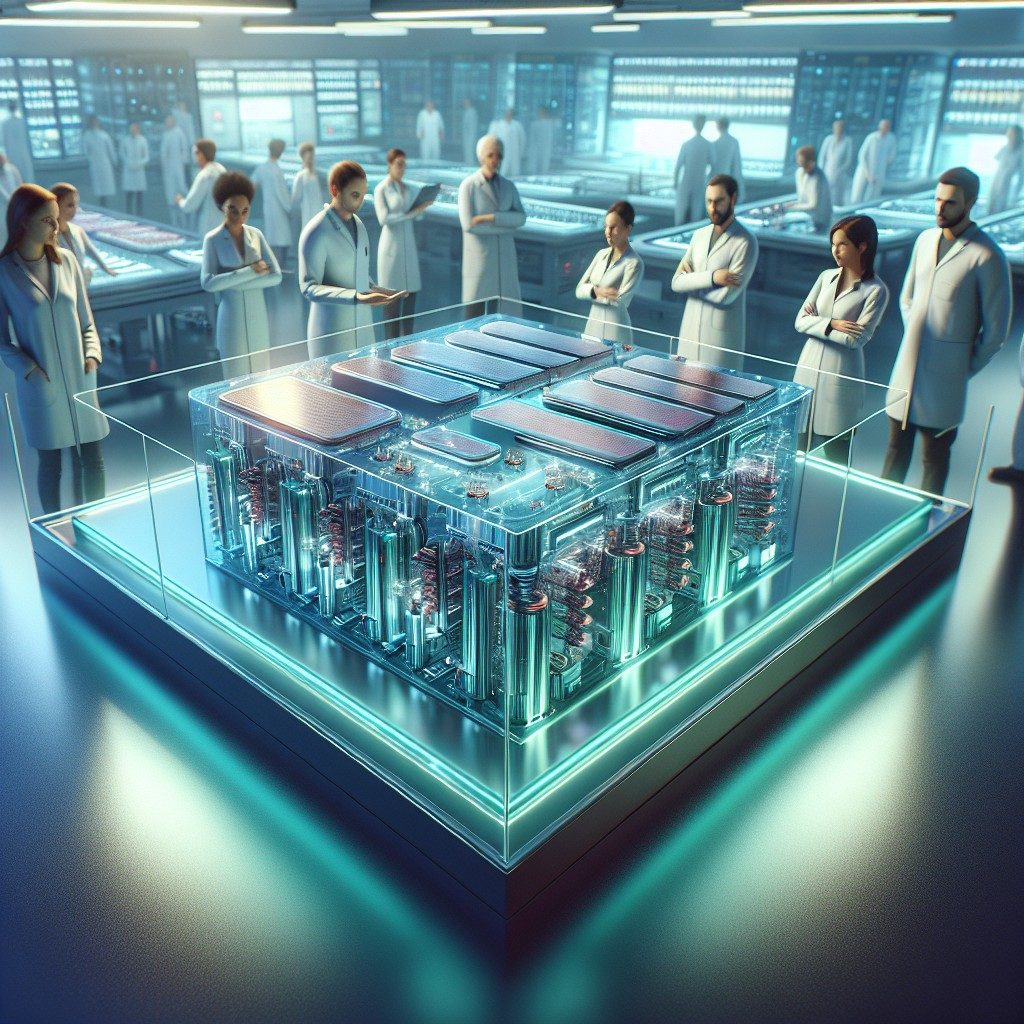
Globally, battery technology is evolving rapidly, with innovations in lithium-ion, solid-state, and flow batteries offering increased energy density, longer life cycles, and enhanced safety. These advances reduce costs and improve the applicability of batteries for grid-scale energy storage. For Romania, adopting these new technologies could address the current limitations in storing renewable energy during peak production times and releasing it when demand is high.
Potential Impact on Romania’s Energy Grid
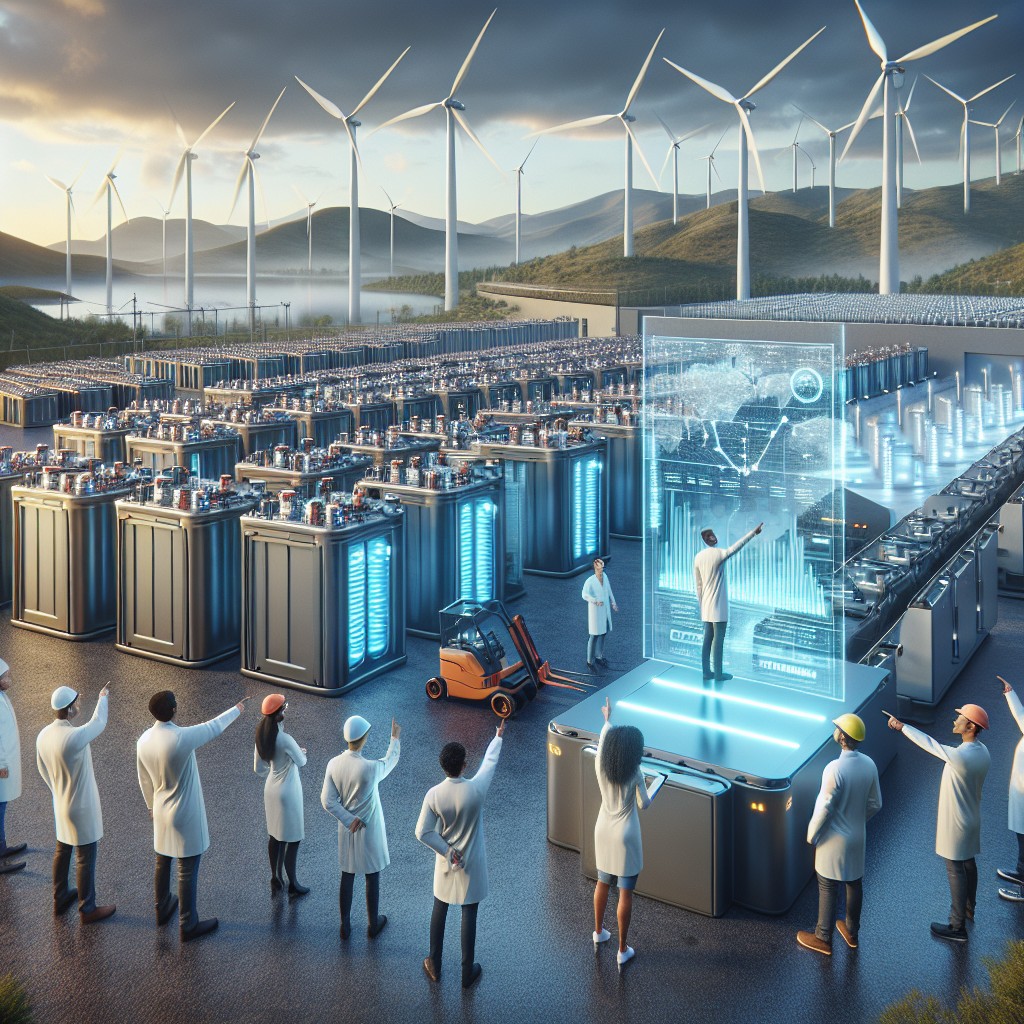
Improved energy storage systems could enable Romania to better manage fluctuations in power supply and demand, reducing blackout risks and enhancing grid resilience. More efficient batteries would allow the country to store excess energy produced by wind and solar installations, lowering reliance on fossil fuel backup and stabilizing electricity prices. Such capabilities are essential to meet the European Union’s climate goals and Romania’s own targets for reducing greenhouse gas emissions.
Economic and Environmental Advantages
Investing in advanced battery storage can stimulate Romania’s economy by fostering local manufacturing, research, and development sectors. Additionally, enhanced energy storage supports a cleaner environment by facilitating greater use of renewable energy and reducing emissions from conventional power plants. This transition aligns with broader EU directives promoting sustainable energy and can improve public health by decreasing air pollution.
Challenges and Future Outlook
Despite the promising benefits, integrating advanced energy storage into Romania’s power system presents challenges. These include the initial high costs of battery systems, the need for updated regulatory frameworks, and ensuring the recycling and disposal of battery components to minimize environmental impact. Nevertheless, as costs decline and policies adapt, Romania is positioned to leverage energy storage breakthroughs to modernize its energy infrastructure effectively.
Frequently Asked Questions about energy storage
What is energy storage and why is it important for Romania?
Energy storage refers to the capture of energy produced at one time for use at a later time. For Romania, it is crucial to balance the supply and demand of electricity, especially as renewable energy sources become more prevalent.
How can improved batteries benefit Romania’s renewable energy sector?
Better batteries allow for storing surplus energy generated from renewable sources like wind and solar. This capability ensures a steady power supply, even when production is low due to weather changes.
What types of energy storage technologies are gaining attention worldwide?
Lithium-ion batteries, solid-state batteries, and flow batteries are among the leading technologies showing promise due to their efficiency, longevity, and scalability.
Are there environmental concerns related to battery energy storage?
Yes, concerns include resource extraction for battery materials and recycling. However, advancements in battery recycling processes aim to mitigate these issues over time.
How does energy storage contribute to Romania’s energy security?
By enabling the storage and timely release of energy, storage systems enhance grid reliability, reduce dependence on imports, and support the integration of domestic renewable energy sources, thereby improving energy security.