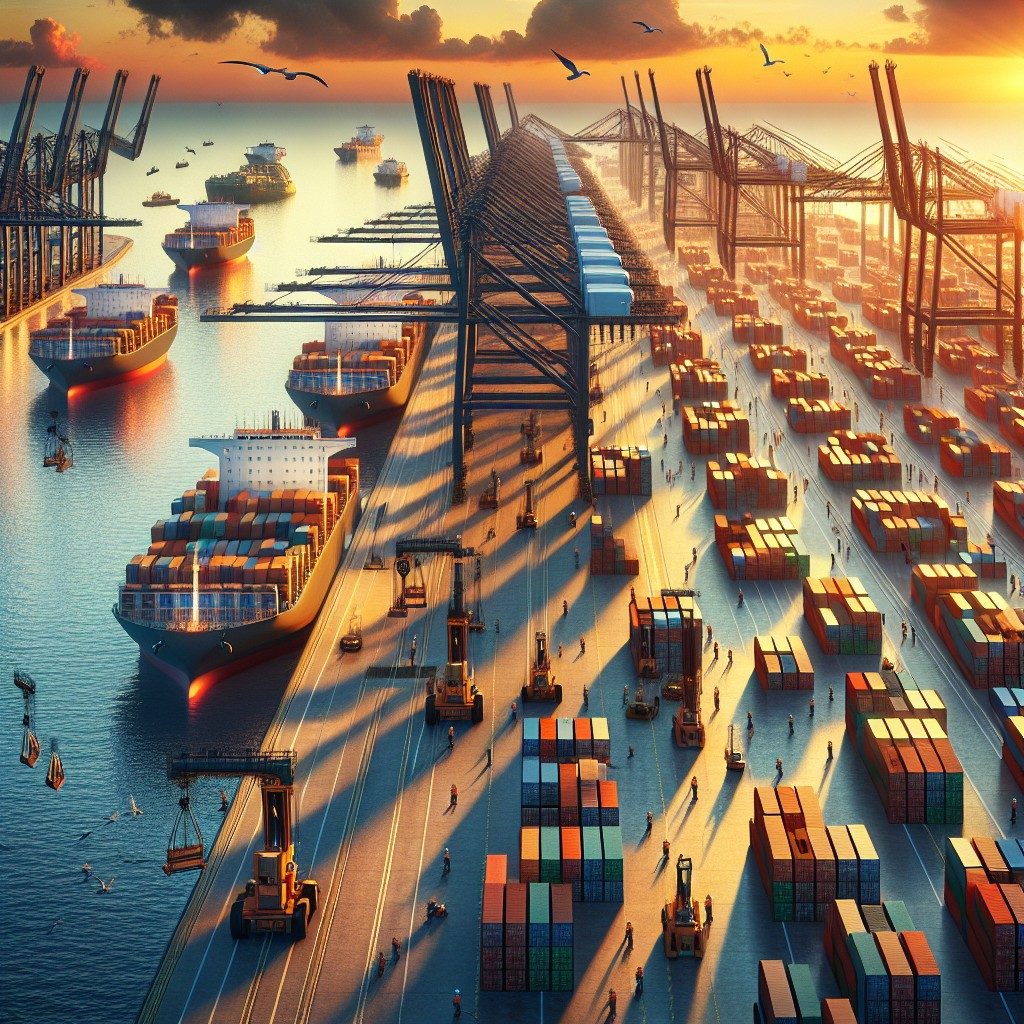
In an increasingly interconnected global market, mid-size exporters and importers face growing challenges regarding sanctions compliance. Understanding the rules and regulations surrounding international sanctions is crucial to avoid penalties and maintain smooth operations.
Understanding Sanctions Compliance
Sanctions compliance refers to the adherence to laws and regulations that restrict trade and financial transactions with specific countries, entities, or individuals. These sanctions are typically imposed by governments or international organizations to further foreign policy and national security objectives. For mid-size exporters and importers, sanctions compliance means ensuring that their business activities do not violate these restrictions, which can include bans on exporting certain products or conducting transactions with designated parties.
The Importance for Mid-Size Businesses
While large multinational corporations often have dedicated compliance departments, mid-size companies might not have the same resources. However, these businesses are not exempt from penalties or reputational damage if found in violation of sanctions laws. Effective sanctions compliance helps prevent costly fines, legal actions, and loss of business partnerships, which can be particularly damaging for companies with limited compliance personnel.
Key Challenges in Sanctions Compliance
One of the primary challenges for mid-size exporters and importers is staying current with the frequently changing sanctions lists and regulations. Different countries have varying sanctions regimes, and understanding the applicable rules requires ongoing monitoring. Additionally, companies must implement screening procedures to check customers, suppliers, and transaction parties against sanctions databases. The complexity of supply chains can further complicate compliance efforts, as indirect relationships might inadvertently lead to violations.
Essential Steps for Establishing Sanctions Compliance
To build a robust sanctions compliance program, mid-size exporters and importers should begin with a comprehensive risk assessment to identify areas susceptible to sanctions violations. Implementing clear policies and training staff on sanctions compliance is critical. Utilizing technology solutions to automate screening of transactions and parties against updated sanctions lists can greatly enhance accuracy and efficiency. Moreover, regular audits and updates to the compliance program ensure that the company adapts to evolving regulatory requirements.
Utilizing Authoritative Resources and Guidance
Accessing reliable information from recognized authorities is vital to effective sanctions compliance. For instance, the official website of the U.S. Department of the Treasury’s Office of Foreign Assets Control offers detailed guidance on sanctions programs. Similarly, the United Nations provides updates on international sanctions resolutions. Incorporating resources such as the sanctions compliance materials from these sources aids in maintaining informed and compliant business practices. Mid-size exporters and importers should consult multiple jurisdictions relevant to their trade to ensure comprehensive compliance.
In conclusion, sanctions compliance presents a critical area of focus for mid-size exporting and importing companies aiming to operate lawfully and sustainably in global markets. By understanding the regulatory landscape, implementing effective compliance programs, and leveraging authoritative sources such as sanctions compliance information from international organizations, these businesses can mitigate risks and continue contributing to international trade with confidence.
Frequently Asked Questions about sanctions compliance
What is sanctions compliance, and why is it essential for mid-size exporters and importers?
Sanctions compliance involves adhering to legal restrictions related to trade with certain countries or entities. It is essential for mid-size exporters and importers to prevent legal penalties and maintain good business standing.
How often do sanctions regulations change, impacting sanctions compliance?
Sanctions regulations can change frequently based on geopolitical developments. Continuous monitoring is necessary to ensure ongoing sanctions compliance.
What tools can mid-size businesses use to support sanctions compliance?
Mid-size companies can use digital screening tools that automatically check partners and transactions against updated sanctions lists, enhancing sanctions compliance efforts.
Are mid-size exporters and importers held accountable for violations of sanctions compliance?
Yes, regardless of company size, exporters and importers can face significant fines and legal action if they fail to comply with sanctions regulations.
Where can companies find accurate information to help with sanctions compliance?
Authoritative sources like the U.S. Department of the Treasury’s Office of Foreign Assets Control and the United Nations provide detailed sanctions compliance information to assist businesses.